Cyber attacks aren’t really about locked screens and demands for Bitcoin to decrypt files any more. For law firms, the threat’s evolved into something more personal and damaging in extortion of digital assets.
Hackers aren’t just content with locking down files and databases. They’re stealing private files, and client privacy, then threatening to auction them to the highest bidder or leak them on the dark web. For a sector built on the foundation of privilege and confidentiality, this shift represents a move from operational nuisance to serious risk.
From Encryption to Weaponisation
The shift toward Extortion-Ware (or double extortion) means that even if a firm has robust offline backups and can restore its systems in hours, the leverage remains with the attacker.
When sensitive litigation strategies, M&A due diligence, or high-profile matrimonial details are exfiltrated, the restore from backup button doesn’t solve the problem, the threat actor now holds your reputation hostage.
According to the 🔗 SRA’s latest sectoral risk assessment, the legal sector remains a primary target due to the sheer volume of sensitive data and the significant financial transactions handled daily.
The Rise of the Client Mandate
It’s no longer just the regulators providing the pressure, we are now seeing a significant increase in Corporate Client Mandates. Sophisticated clients, particularly those in the financial and pharmaceutical sectors, are no longer taking standard security for granted.
Engagement clauses now frequently include strict cybersecurity requirements, demanding proof of:
Proactive Threat Hunting |
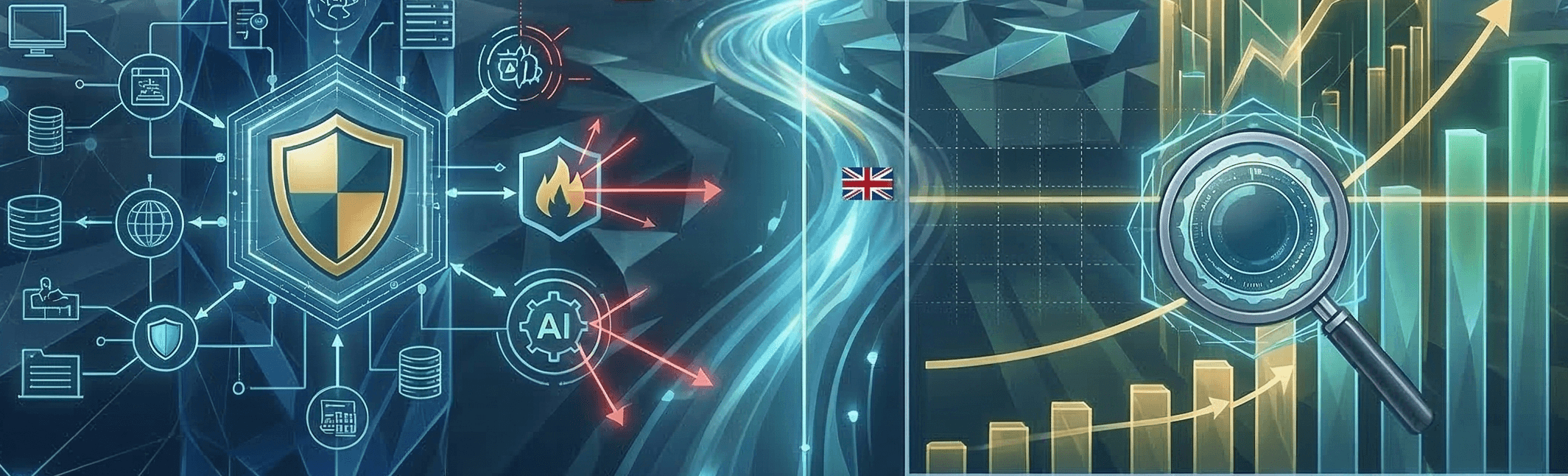
The move beyond reactive antivirus to AI-driven detection. |
Operational Durability |
Demonstrate evidence that a firm can continue to serve the client even during an active breach. |
Ethical Compliance |
Align with bar association obligations regarding the protection of digital assets. |
Risks in failing to meet these mandates goes beyond a breach, the risk is a failed procurement and a loss of longer term instructions and yield.
Operational Durability
Moving from basic compliance to operational durability requires a blend of best-in-class software and human intelligence. AI tools are now essential for spotting the lateral movement of a hacker within a network before they reach the crown jewels of the firm’s data. However, technology alone cannot navigate the ethical and legal complexities of a leak threat.
At Mondas, we aim to provide the expertise to bridge the gap between IT security and the high-pressure environment of a legal practice. We help firms build their strategies to ensure they comply with SRA and also the demands of their corporate clients.
We can put a Free Dark Web Leak Report in your inbox within 30 minutes, read more about Dark Web Monitoring here.
This article was brought to you by George Eastman, Sales Manager for Mondas. George works with firms to align their security posture with the growing demands of client engagement mandates. 🔗 Connect on LinkedIn.
Content First Published 19/03/2026