The recent cybersecurity breach at British fashion retailer ASOS is yet another example of the escalating sophistication of cyber threats. Hackers seemingly compromised the company’s Snowflake data instance, sending a threatening push notification directly to users via the ASOS app. This brazen approach is a growing trend where cybercriminals not only infiltrate critical infrastructure but they weaponise customer communications to force the hand of targeted organisations.
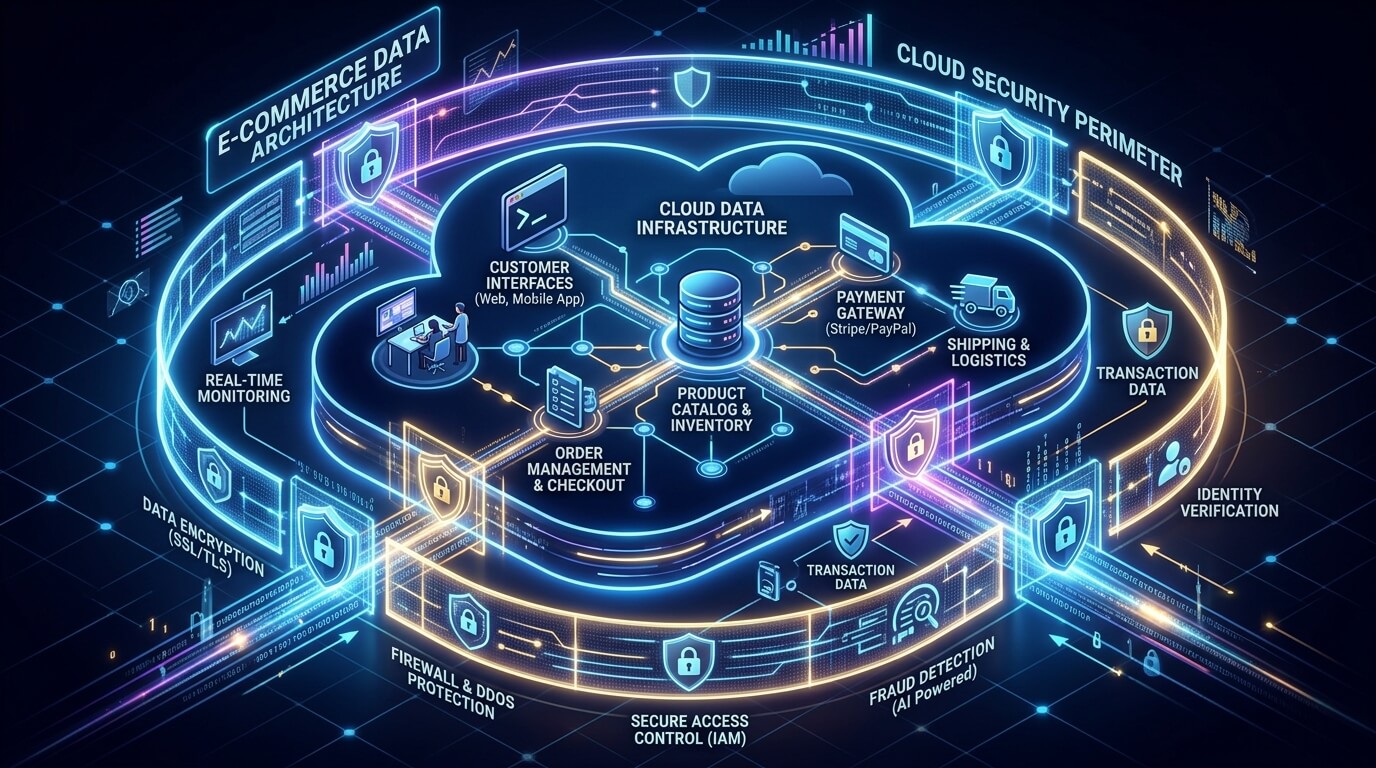
As businesses migrate vast quantities of sensitive information to cloud environments, the operational and commercial stakes have never been higher. Understanding the potential fallout of such an event is critical for any board of directors, as is developing a robust strategy to prevent, manage, and recover from similar crises.
What could happen to ASOS?
If the worst fears surrounding the hack materialise, ASOS faces substantial regulatory and commercial punishment. As Lewis McKeown, a commercial lawyer at Square One Law, observed, successful data extraction could lead to devastating financial and reputational consequences.
The regulatory framework governing this breach is not to be messed with. The UK GDPR, supplemented by the Data Protection Act 2018, places unequivocal obligations on businesses to maintain appropriate security measures and to respond decisively to personal data breaches. Where a breach poses a risk to the rights and freedoms of individuals, companies must notify the 🔗Information Commissioner’s Office (ICO) without undue delay and ideally within 72 hours of becoming aware of the incident. The alert sent to ASOS app users suggests that the threshold for direct customer notification regarding high-risk breaches has already been met.
The ICO will likely launch an extensive investigation to determine whether ASOS had appropriate technical and organisational measures in place prior to the intrusion. Depending on their findings, severe enforcement action and significant fines may follow. Beyond regulatory penalties, the retailer could face a barrage of compensation claims from affected customers. The secondary costs – investigating the breach, remediating the vulnerabilities, eroding investor trust, and repairing a severely damaged commercial reputation – often eclipse the initial fines.
How Mondas secures organisations
The implementation of best-in-class security protocols can reduce an organisation’s attack surface. Mondas works alongside businesses of all sizes to actively prevent breaches and instil a culture of proactive resilience. We achieve this by deploying industry-leading software and AI-driven tools to provide total visibility over your digital estate.
| Topic | Detail |
Proactive Prevention and AI Integration |
We utilise advanced, AI-ready platforms to automate threat hunting and neutralise anomalies at machine speed. By consolidating security logs for real-time analysis, our teams can identify and restrict the impact of emerging threats before they compromise core systems. |
Actionable Incident Response Planning |
A breach is often a matter of “when,” not “if.” We help organisations design comprehensive incident response plans that dictate exact protocols, communication strategies, and remediation steps the moment a threat is detected. This ensures that panic is replaced with a precise, rehearsed methodology. |
Regulatory Compliance and Governance |
Navigating the complexities of data protection law requires expert guidance. Our Governance, Risk, and Compliance (GRC) consultants perform rigorous gap analyses against frameworks such as ISO 27001, ensuring that your technical and organisational measures are not only compliant but demonstrably robust to regulators like the ICO. |
Actionable security roadmaps and plans for business leaders
To safeguard your commercial interests and protect customer data, organisations need to move beyond reactive measures. Consider the following immediate actions:
- Conduct an Infrastructure Audit
Map all cloud environments, third-party integrations, and data storage instances to understand exactly where sensitive data resides. - Implement Continuous Monitoring
Deploy AI-enhanced monitoring tools that provide 24/7 oversight of your network, ensuring rapid detection of unauthorised access attempts. - Refine the Incident Response Strategy
Clearly define internal roles, regulatory reporting timelines, and customer communication templates so that your team can act decisively within the critical 72-hour ICO notification window. - Strengthen Third-Party Risk Management
Ensure that vendors and software providers adhere to the same rigorous security standards as your internal operations.
The landscape of data security is unforgiving, but with the right strategic partner, your organisation can navigate these complexities with confidence and authority.
Article brought to you by Chris Wilkes-Green, Operations Director, Mondas 🔗Connect with Chris on LinkedIn
If you’re struggling with the complex compliance and security issues outlined in this article, you don’t have to face them alone. Mondas specialise in building robust, compliant, and resilient cybersecurity frameworks. Contact us to discuss securing your digital future.
Article First Published: October 6, 2026