
Many SMEs assume they are exempt from enterprise-grade regulations because of their size or revenue footprint, forgetting that their operational security is intrinsically linked to the larger supply chain.
The regulatory landscape has shifted fundamentally, and the European Union’s 🔗Digital Operational Resilience Act (DORA) doesn’t just regulate banks, insurance companies, and investment firms; it heavily regulates their Information and Communication Technology (ICT) third-party providers.
We are currently witnessing the vendor squeeze. Financial institutions are actively auditing their supply chains to ensure compliance with stringent new standards. Under DORA, if an SME can’t prove robust digital resilience, the enterprise client is legally obligated to drop them.
Major financial and critical infrastructure clients are already updating vendor contracts for 2026 DORA and NIS2 compliance, placing the burden of proof squarely on the shoulders of their suppliers.
To ensure you don’t lose critical enterprise renewals, your organisation might need to demonstrate continuous governance and active third-party risk management. Below is a self-assessment checklist covering the primary areas your enterprise clients will scrutinise this quarter.
5 Questions Your Enterprise Clients Will Ask You This Quarter
- How quickly can you detect, classify, and report a severe ICT-related incident? Enterprise clients now require strict incident reporting timelines. You may need an automated, AI-enhanced detection system and a clear communication protocol that aligns with your client’s mandatory reporting windows to regulators.
- Can you demonstrate continuous risk management for your own supply chain? Resilience doesn’t stop at your perimeter. DORA requires enterprises to map concentration risk down the chain. You may be asked to provide evidence that you continuously monitor and audit your own third-party and fourth-party software dependencies.
- Do you conduct regular, advanced threat-led penetration testing? Annual vulnerability scans are no longer sufficient. Enterprise contracts now stipulate that ICT providers must undergo intelligence-led penetration testing that simulates real-world, advanced persistent threats (APTs) against live production environments.
- Is your business continuity and disaster recovery plan fully documented and recently tested? Clients will request your latest disaster recovery (DR) audit. You may need to prove that your backup data is immutable, your recovery time objectives (RTOs) meet enterprise standards, and that your DR protocols have been successfully tested within the last 12 months.
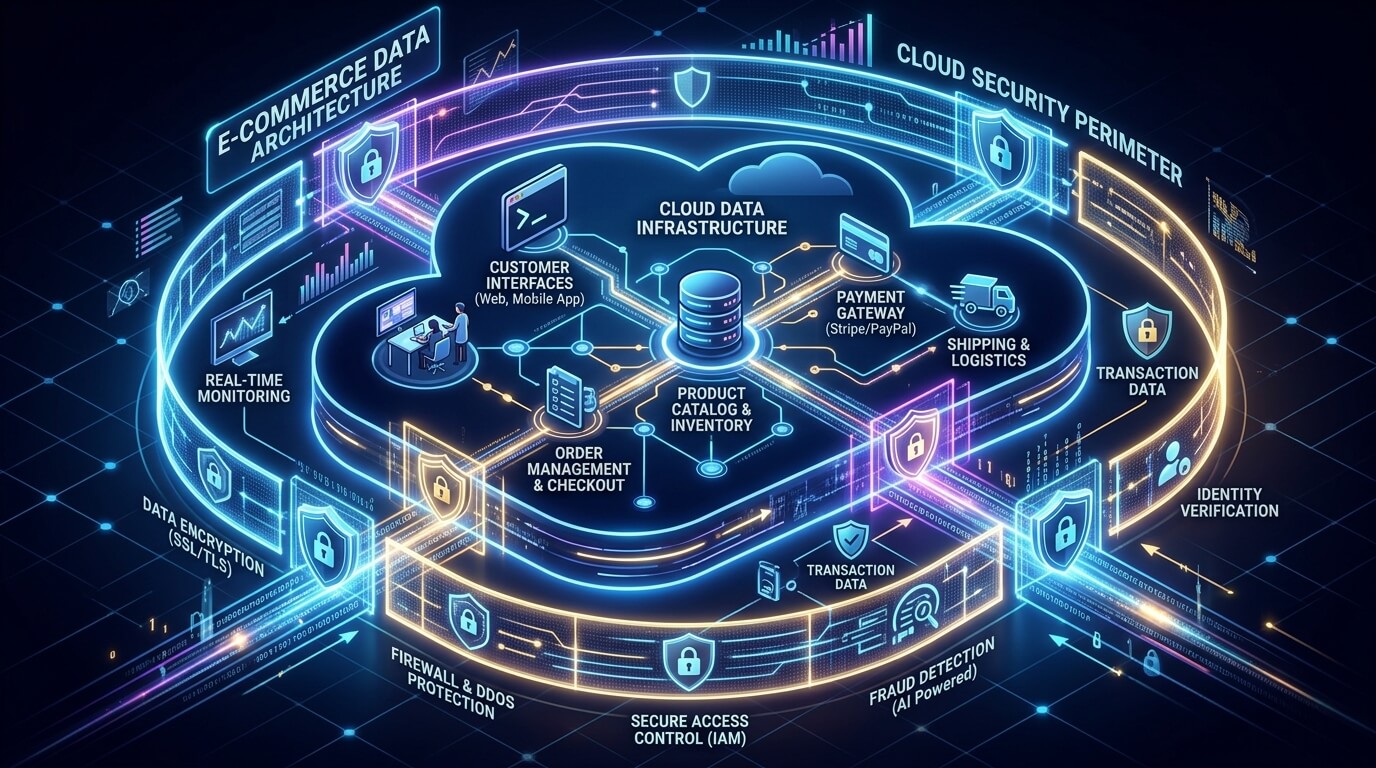
- How is enterprise data secured and partitioned within your infrastructure? You may need to validate that any data shared by the enterprise client is logically or physically segregated, encrypted at rest and in transit, and governed by strict identity and access management (IAM) controls operating on the principle of least privilege.
If your enterprise clients are updating vendor contracts for 2026 DORA or NIS2 compliance and you’re unsure how to demonstrate the required resilience, Mondas specialises in supply chain security and regulatory compliance.
Using class-leading software, AI-driven tools, and expert governance frameworks, we ensure you meet enterprise standards. Contact our team today to proactively secure your infrastructure and protect your crucial enterprise renewals.
Article brought to you by Lance Nevill – CISO 🔗https://uk.linkedin.com/in/lancenevill
Article First Published: 1 October 2026