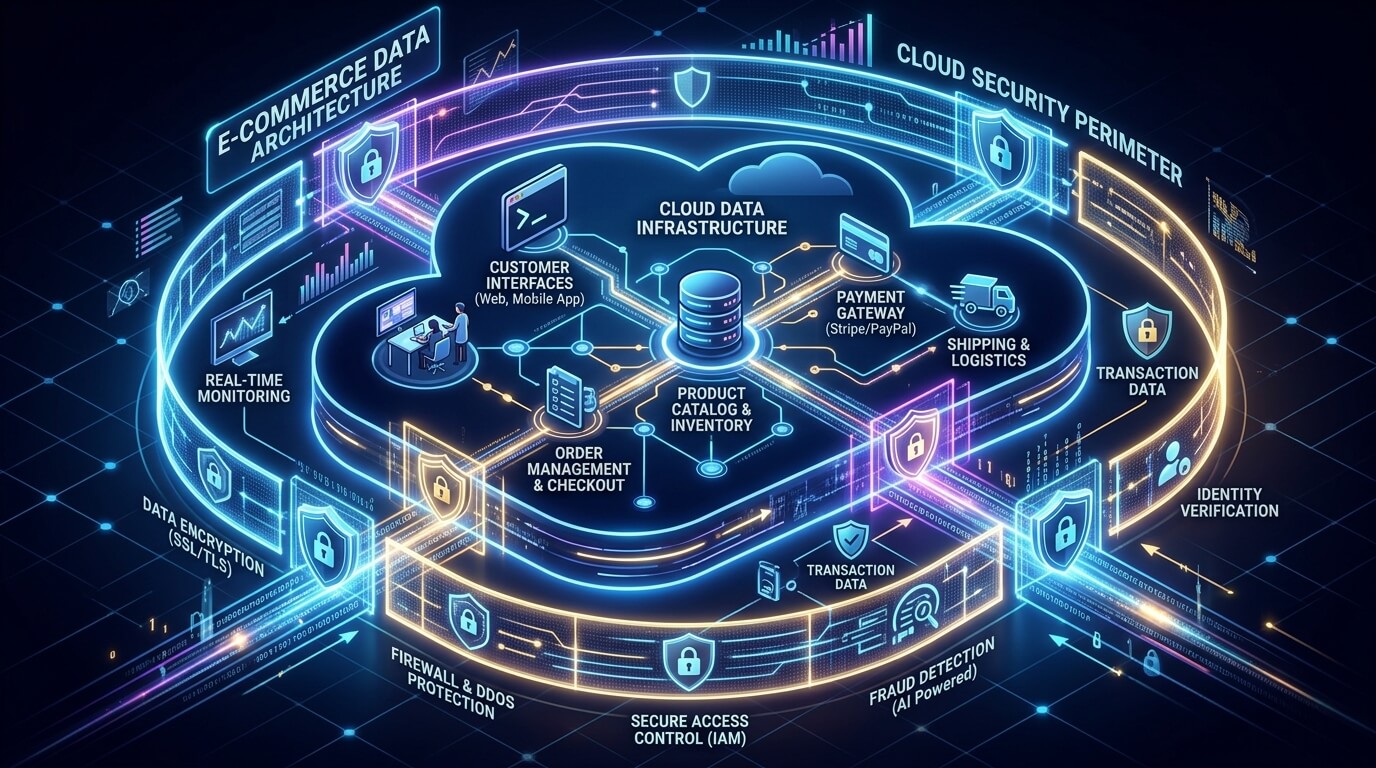
The integration of Generative AI (GenAI) into the corporate ecosystem has been seen to create tension for Chief Information Officers (CIOs). While the potential for productivity gains is immense, the security implications are challenging.
According to recent industry research, 🔗nearly 90% of technology leaders express deep concern regarding the security risks associated with AI, highlighting a growing disconnect between innovation and protection.
Shadow IT and Shadow AI
For years, IT departments struggled with Shadow IT where employees use unauthorised software to perform their jobs. Today, there’s much talk about Shadow AI where staff use public AI models to draft sensitive reports or troubleshoot proprietary code, they may accidentally feed corporate intellectual property into a public training set.
This data leakage isn’t just some theoretical risk, it’s a primary concern for modern data governance. Ensuring that AI tools are deployed within secure, ring-fenced environments is no longer optional, it’s truly a prerequisite for operational integrity.
AI as an Offensive and Defensive Weapon
Bad actors are leveraging the same technologies that businesses use for growth. AI-driven phishing attacks have become significantly more sophisticated, moving beyond poorly written emails to perfectly crafted, context-aware lures that can bypass traditional filters.
The good news is that AI can also offer some solutions to this growing issue where organisations need to employ AI-driven defences. Best-in-class security tools now use machine learning to establish a baseline of ‘normal’ network behaviour, allowing them to detect and neutralise anomalies in real-time, far faster than any human operator could.
Balancing Governance with Innovation
To move from a position of fear to one of informed leadership, businesses should focus on three core pillars:
Strict Data Provenance |
Understanding exactly where data goes when it is entered into an AI tool. |
Continuous Education |
Training staff not just on how to use AI, but on the security risks of “over-reliance” and data sharing. |
Human-in-the-Loop (HITL) Security |
Ensuring that while AI handles the heavy lifting of data analysis, expert human oversight remains the final arbiter of security decisions. |
🔗The UK’s National Cyber Security Centre (NCSC) provides essential guidance on designing systems embedding security by design that are resilient to these evolving threats, emphasizing that security must be “baked in” rather than “bolted on.”
The team at Mondas specialises in bridging the gap between cutting-edge AI adoption and robust data security. If you’re concerned about the security posture of your AI initiatives, reach out to us today for an expert consultation or deploy one of our vCISOs into your team.
Article first published: 14/05/2026