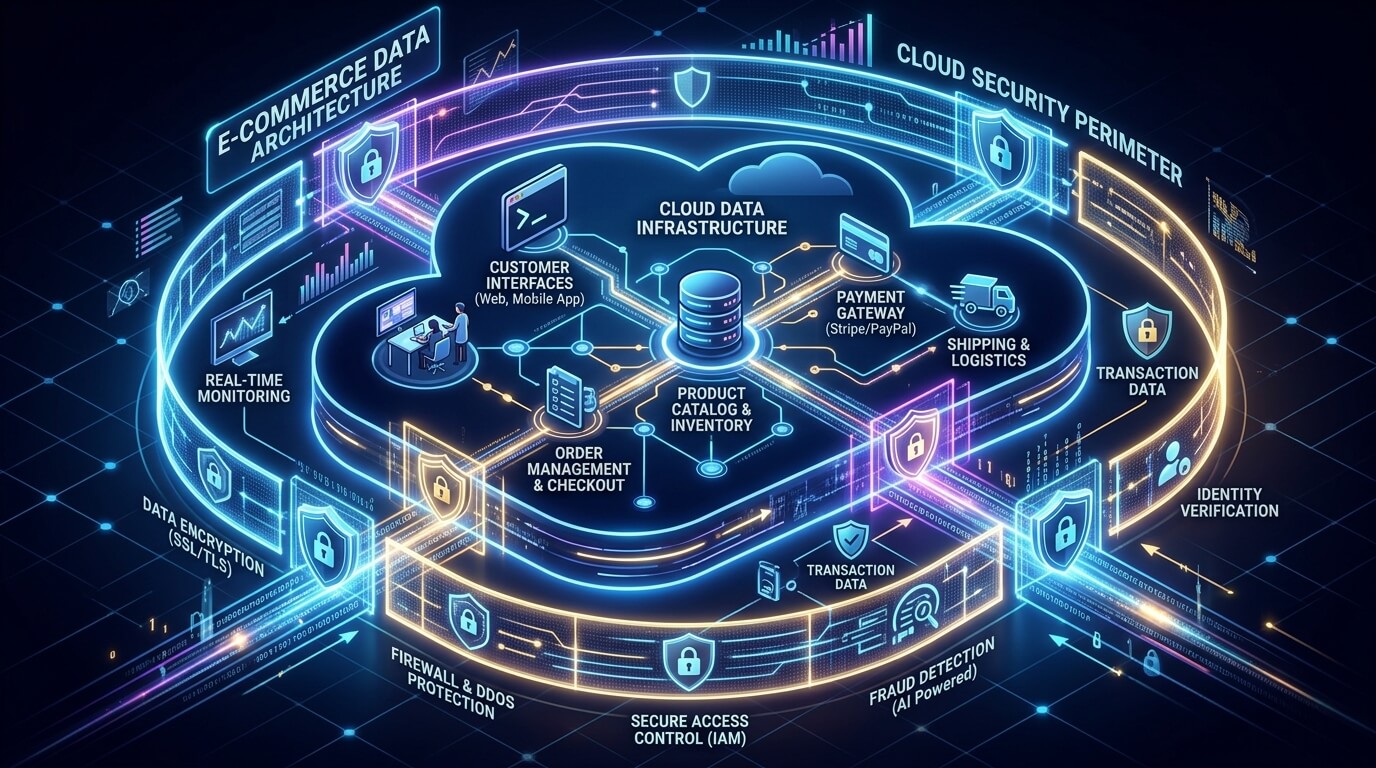

You can invest a fortune in securing your own perimeter, implementing the latest firewalls, and training your staff. But what happens when the vendors you trust, like your CRM provider, your payroll software, or your logistics partner, leave the back door open?
As internal networks become harder to crack, threat actors have pivoted. They are increasingly targeting the supply chain, exploiting weaker third-party vendors to gain lateral access into larger, more secure organisations. The 🔗NCSC’s guidance on supply chain security stresses that an organisation’s security is only as strong as its weakest vendor.
Third-Party Vulnerabilities
Supply chain attacks are particularly insidious because they leverage established trust. If a vendor’s compromised, malicious code can be pushed directly into your environment via standard updates, bypassing traditional defences. Managing this risk requires continuous, dedicated oversight that most internal IT teams may not have the bandwidth to maintain.
Vendor Risk Management (VRM)
Vendor Risk Management (VRM) is a highly specialised discipline, and it’s a core competency of a virtual CISO (vCISO).
Comprehensive Vendor Audits |
A vCISO doesn’t just take a vendor’s word for their security posture. They conduct rigorous audits, reviewing SOC 2 reports, penetration test results, and internal policies before a vendor is onboarded. |
Continuous Monitoring |
Security isn’t static. A vCISO implements continuous monitoring tools to assess the security health of your supply chain in real-time, flagging newly discovered vulnerabilities in third-party software immediately. |
Incident Response Integration |
If a vendor is breached, you need to know exactly how it impacts your data. A vCISO ensures your incident response plan accounts for third-party failures, enabling swift isolation of compromised connections. |
Can a vCISO support supply chain protection?
Navigating the complexities of supply chain security shouldn’t be an afterthought but it also might not require the cost of a full-time, in-house executive. Engaging a vCISO provides the strategic leadership and specialised expertise needed to transform VRM from a compliance checkbox into a robust defensive strategy. By proactively managing third-party risks, a vCISO not only protects your sensitive data but also builds operational resilience. This allows your internal teams to focus on core business growth, confident that your external partnerships are secure and the back door is firmly locked.
Author: Chris Wilkes-Green, Operations Director at Mondas Chris focuses on building resilient operational strategies, ensuring that external partnerships enhance business capability without introducing unacceptable cyber risk. 🔗Connect with Chris on LinkedIn.
Get in touch: Your security is only as strong as your weakest link. If you are struggling with the complexities of Vendor Risk Management outlined in this article, contact Mondas today. Our vCISOs can help audit and secure your entire supply chain.
Content First Published 24/04/2026