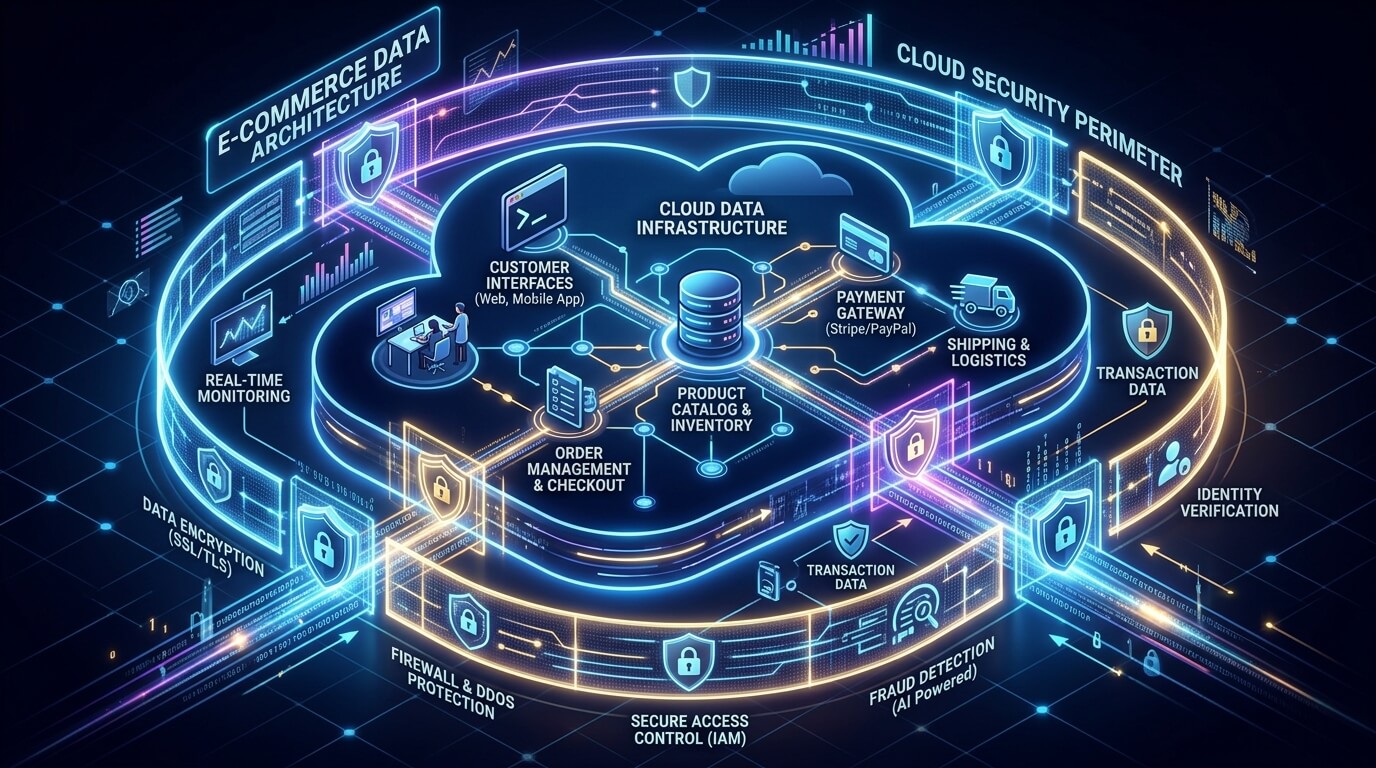

The UK Government’s Cyber Resilience Pledge marks a significant shift in how organisations are expected to manage and mitigate digital threats. Our take is that information security requires a blend of best-in-class software, highly informed experts, and the strategic application of AI. As the threat landscape evolves, so too must our approach to corporate defence.
The escalating cost of cyber threats
The launch of the new Cyber Resilience Pledge comes at a critical juncture. Cybercrime is no longer an abstract threat, it’s a measurable and growing disruption to the UK economy. Recent data highlights the stark reality facing British organisations:
| Rising Incident Rates | The National Cyber Security Centre (NCSC) handled 204 nationally significant incidents in the year leading up to September, a sharp increase from 89 the previous year. |
| Financial Impact | The average cost of a significant cyber-attack on an individual UK business now stands at almost £195,000. |
| Economic Toll | The total annual cost of cyber-attacks to UK organisations is estimated at a staggering £14.7 billion. |
| Frequency | Last year, over 5 million cyber crimes were committed against UK firms, equating to one incident every six seconds. |
What is the Cyber Resilience Pledge?
Launched at 10 Downing Street on 7 July 2026, the 🔗Cyber Resilience Pledge is a voluntary commitment designed to raise the security baseline across the UK economy. By signing, businesses agree to implement practical, achievable steps to fortify their defences. The pledge revolves around three core pillars:
| Pillar | Core Commitment | Strategic Value |
| 1. Board-Level Accountability | Treating cybersecurity as a board agenda item, implementing the Cyber Governance Code of Practice, and ensuring board members complete NCSC training. | Shifts cyber risk from an IT operational concern to a strategic business priority. |
| 2. Threat Intelligence | Enrolling in the NCSC’s Early Warning service to receive notifications about suspicious activity and potential network compromises. | Enables proactive incident response rather than reactive damage control. |
| 3. Supply Chain Security | Requiring the government-backed Cyber Essentials certification across the supply chain, ensuring a risk-based approach to third-party vulnerabilities. | Mitigates the growing risk of hackers infiltrating organisations via trusted third-party suppliers. |
🔗 Read more on this topic: 🔗GOV.UK: Businesses across Britain sign up to Cyber Resilience Pledge
The role of AI in modern cyber defence
As adversaries increasingly leverage artificial intelligence to automate and accelerate attacks, defending against them requires equally sophisticated, AI-driven solutions. AI in cybersecurity is no longer a luxury, it’s a necessity for identifying anomalies, processing vast amounts of threat data, and responding to incursions in real time.
At Mondas, we champion the integration of cutting-edge AI tools alongside seasoned human expertise. While the Cyber Resilience Pledge establishes a vital baseline, maintaining a competitive edge against threat actors requires continuous innovation and a commitment to deploying best-in-class technologies.
Securing your supply chain
Supply chains are frequently targeted as the ‘weakest link’ in corporate defence. A major focus of the pledge is ensuring that security awareness extends beyond an organisation’s immediate perimeter. By mandating Cyber Essentials across supply chains, the initiative forces a ripple effect of improved security hygiene down to smaller suppliers who might otherwise be vulnerable.
“By signing this Pledge, they are showing that cyber resilience is no longer just an IT issue – it is a business imperative.” – Technology Secretary Liz Kendall.
Taking the next step
The transition towards board-level accountability and stringent supply chain security is a positive and necessary evolution for UK businesses. Navigating this landscape, however, can be complex, particularly when attempting to balance compliance, operational efficiency, and the deployment of advanced security tools.
If you’re looking to strengthen your organisation’s cyber defences, navigate the requirements of the Cyber Resilience Pledge, or want to explore how AI-driven tools can protect your data, contact us today. Mondas specialises in delivering authoritative, best-in-class information security tailored to the modern threat landscape.
Article brought to you by Lance Nevill, Cyber Security Director, Mondas. 🔗Connect with Lance on LinkedIn.
Article First Published 23 July 2026